Stop competing with "Chuck in a Truck" for low-ball interior jobs. This post explains how a professional website helps you showcase high-end cabinet refinishing, land lucrative commercial contracts, and streamline your estimating process...
Fine artists need a professional website to break free from the "starving artist" cycle, bypassing the steep commission fees of traditional galleries and the algorithmic chaos of social media...
Pet parents are terrified of leaving their "fur babies" with strangers. This post explains how a professional website builds instant trust through facility video tours, streamlines vaccine verification, and fills your kennels during peak travel seasons...
Your boutique needs more than just foot traffic to survive in the age of fast fashion. This post explores how a professional website allows you to sell inventory 24/7, sync your in-store POS with an online shop, and turn Instagram followers into paying customers...
Procurement managers aren't looking in the phone book for 48x40 GMAs. This post explains how a professional website helps you showcase your ISPM 15 certifications, automate pallet buy-back requests, and secure high-volume contracts with local warehouses...
Stop relying on word-of-mouth for small driveways. This post explains how a professional website helps you prove ADA compliance, showcase precision stenciling, and streamline your bidding to win lucrative commercial property contracts...
Stop sending potential clients messy Google Drive links. This post explains how a professional website helps production companies showcase 4K reels without compression, streamline client feedback with integrated tools, and win higher-budget commercial contracts...
Pawn shops require a professional website to modernize their image, showcase high-value inventory like jewelry and electronics to a broader audience, and educate potential borrowers on the safety and legality of collateral loans...
Personal trainers require a professional website to establish authority beyond the gym floor, automate the time-consuming scheduling process, and expand their revenue streams through online coaching and digital products...
Fashion designers require a professional website to serve as a 24/7 digital showroom, allowing them to present high-resolution lookbooks to buyers, seamlessly integrate with e-commerce platforms for direct sales, and control their brand narrative in a way social media cannot...
Pest control businesses require a professional website to build route density through recurring subscriptions, educate homeowners on pet-safe treatment options, and capture emergency leads for high-ticket infestations like termites and bed bugs...
Catering services require a professional website to visually demonstrate their culinary expertise, streamline the complex quoting process for weddings and corporate events, and build the trust necessary to handle large-scale food service...
Farm stands require a professional website to update customers on daily harvest availability, secure early-season revenue through CSA subscriptions, and attract home canners looking for bulk produce deals...
Independent pet shops require a professional website to survive against e-commerce giants by offering local same-day delivery, educating owners on specialized raw diets, and promoting exclusive brands that big-box stores cannot carry...
Slingshot rental companies require a professional website to secure bookings in advance from tourists, educate drivers on state-specific "autocycle" licensing laws, and upsell insurance and accessory packages...
Family farms require a professional website to bypass the middleman and sell directly to consumers, fill Community Supported Agriculture (CSA) subscriptions, and promote profitable agritourism events like pumpkin patches or farm dinners...
Pet waste removal businesses require a professional website to automate recurring billing, build trust regarding backyard security, and capture local leads to build dense, profitable routes. A polished online presence transforms...
Independent community pharmacies require a professional website to compete with national chains by offering digital refill convenience, promoting high-margin clinical services like immunizations...
Family dentistry practices need a professional website to establish trust with anxious parents, showcase their ability to treat patients of all ages under one roof, and streamline the appointment booking process for...
Photo booth companies require a professional website to showcase dynamic features like 360-video spins and Magic Mirrors, automate the booking process with real-time availability tools, and justify premium...
Face painters and balloon artists need a professional website to showcase their artistic portfolio, prove they use safe and insured materials, and streamline the booking process for high-value corporate and private events...
Eye care professionals require a professional website to compete with online retailers, educate patients on medical eye health, and streamline the appointment booking process. A strong online presence allows...
Photographers require a professional website to escape social media algorithms, offer secure client proofing galleries, and sell prints directly to customers without commission fees. A dedicated portfolio establishes...
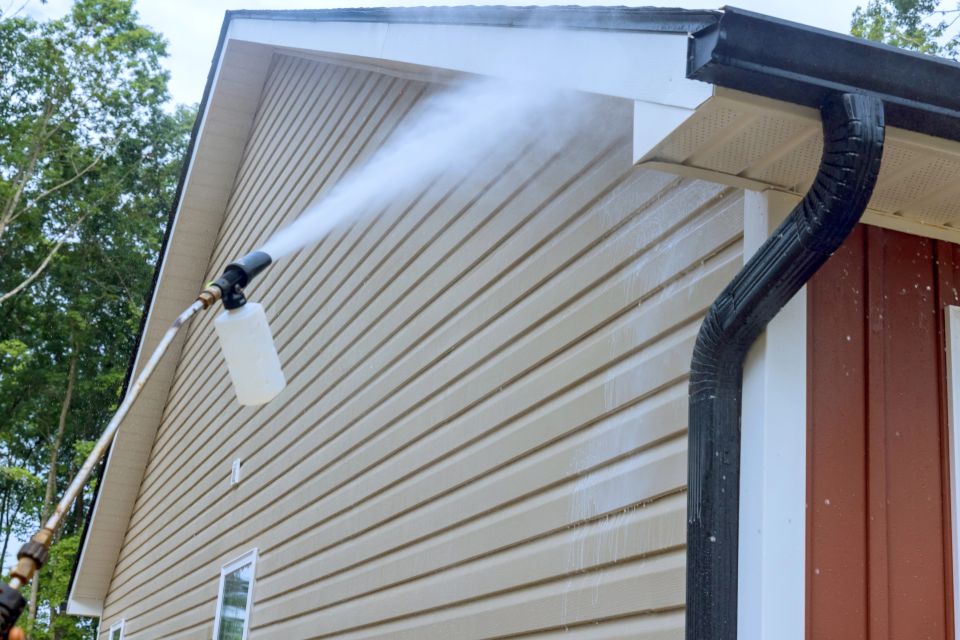
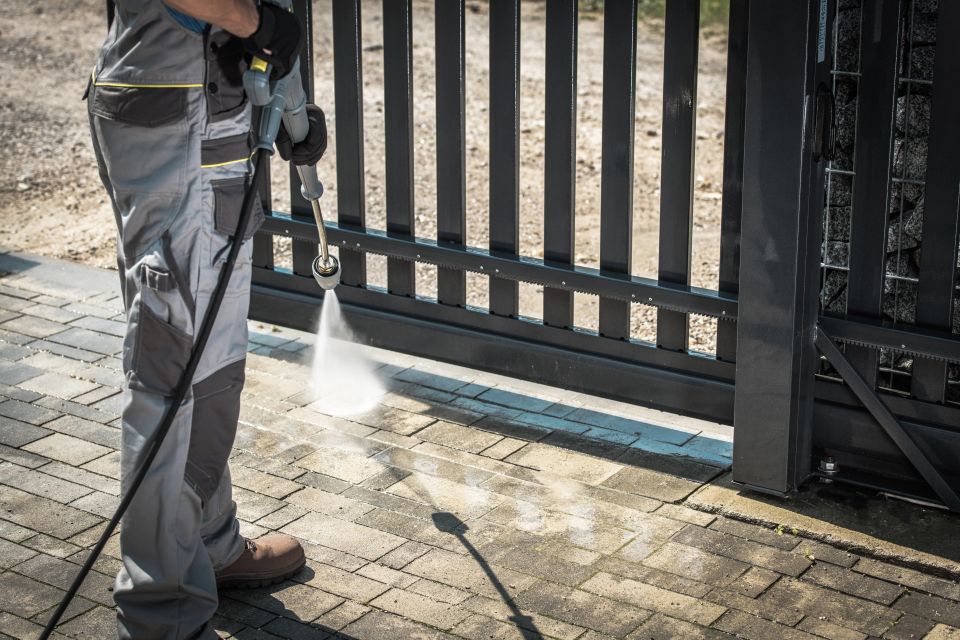
Exterior cleaning companies need a professional website to differentiate their specialized soft washing services from general high-pressure competitors, capture leads for high-ticket roof cleaning jobs, and automate their quoting process...
Physical therapy clinics require a professional website to educate the public on Direct Access rights, attract patients seeking specialized care like dry needling, and streamline the new patient intake process...
Friday night rolls around and thousands of families in your town are asking the same delicious question: "What are we getting for dinner?" The answer is almost always pizza, but the way they place that order has changed forever...
In the excavation business, your profit margin depends on keeping your heavy iron moving. An idle dozer or excavator is a liability, not an asset. Whether you are looking for residential site prep jobs or bidding...
In the plumbing industry, there are two types of calls: the panic-stricken emergency at 2 AM and the planned, high-value renovation or repair. While word-of-mouth might keep the small leaks fixed, scaling your business requires...
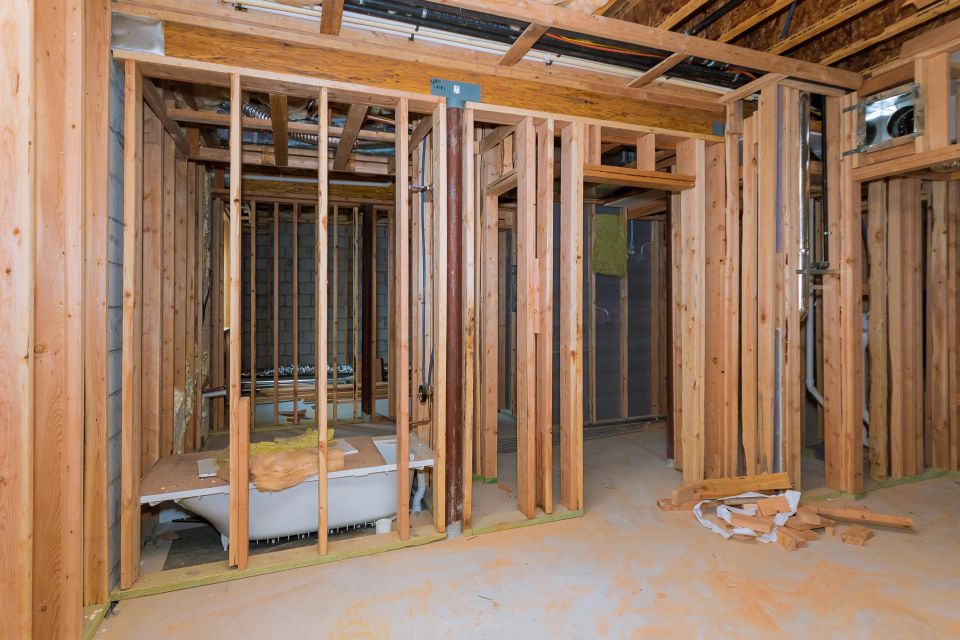
In the construction world, the framer sets the pace for the entire project. Whether you are standing up the skeleton of a new custom home or installing metal studs for a commercial buildout, your precision determines the success of every trade that follows.
In the booming world of audio, having a great show is only half the battle. The other half is getting found. While platforms like Spotify and Apple Podcasts are essential for distribution, they are terrible for discovery.
For a fencing business, your reputation is built one post hole at a time. Whether you are installing a decorative picket fence for a new family or securing a commercial perimeter with chain link, quality craftsmanship is your trademark.
In the high-stakes world of event planning, you are selling a promise. Whether it's a bride trusting you with her wedding day or a corporate executive handing over a six-figure budget for a conference, they are buying your taste, your organization, and your ability to execute a vision.
The poke boom has transformed the fast-casual landscape, offering a fresh, healthy alternative to burgers and sandwiches. But in a market flooded with options, serving the freshest Ahi tuna isn't enough if the hungry office crowd can't find you.
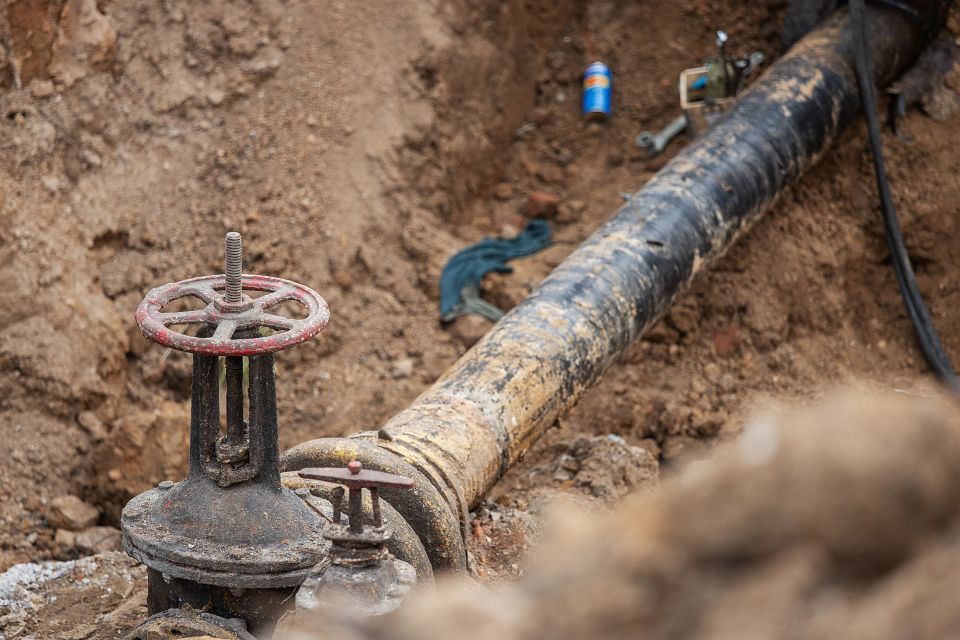
For general contractors, excavators, and facility managers, hitting a buried line is a nightmare scenario. It causes project delays, massive repair costs, and serious safety hazards. While the free 811 service is the first step, industry pros know it has limits.
In modern politics, a social media post can create a moment, but it can't build a campaign. Your Facebook page, X feed, or TikTok account is rented land, controlled by algorithms you can't predict. A professional campaign website is your official headquarters.
Estate planning is one of the most personal, sensitive, and trust-based areas of law. Your clients are not just making a financial decision; they are protecting their families and planning their legacy.
The rideshare economy moves at full speed. Your potential clients, drivers for Uber and Lyft, want to start earning money today, not next week. Your business provides the key, a car that gets them on the road.
As an equipment rental company, you are a critical partner for projects big and small. A general contractor may need a scissor lift for a week, while a homeowner needs a log splitter for a weekend.
Fall is prime fundraising season. All across the country, school PTOs, sports booster clubs, and scout troops are searching for the perfect partner to help them raise money.
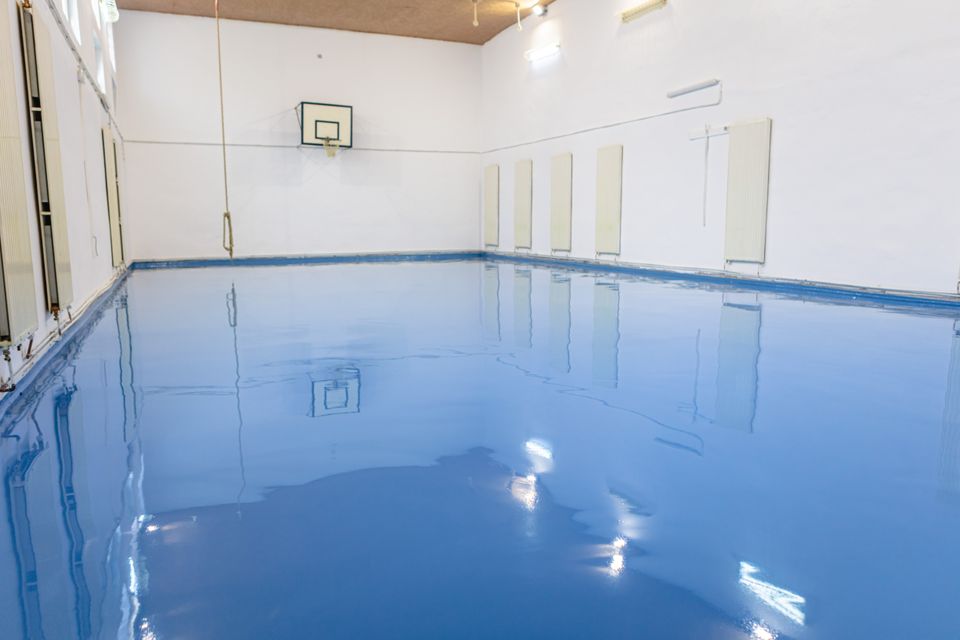
As a professional epoxy installer, you are a craftsman who transforms dull, stained concrete into a durable, high-gloss work of art. This is a premium, high-value service, and clients are not just "price shopping."
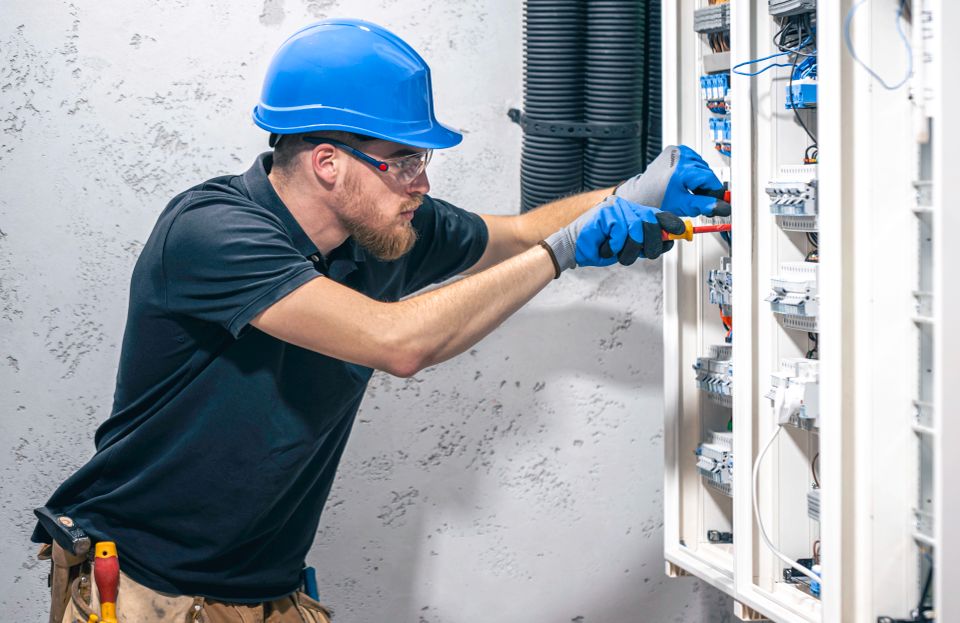
As a professional electrician, your business is built on a foundation of absolute trust. A faulty plumbing job leads to a leak; a faulty wiring job can lead to a catastrophic fire.
As a portable toilet rental provider, you are a critical, non-negotiable vendor for two very different clients: construction site managers who need reliability, and high-end event planners who demand cleanliness and luxury.
As a professional drywall contractor, your work is the literal canvas for every finished room. It’s a craft that demands precision, speed, and a perfect, seamless result. But whether you're hanging board on a new construction project or meticulously patching a repair, your biggest challenge is often just connecting with the right clients.
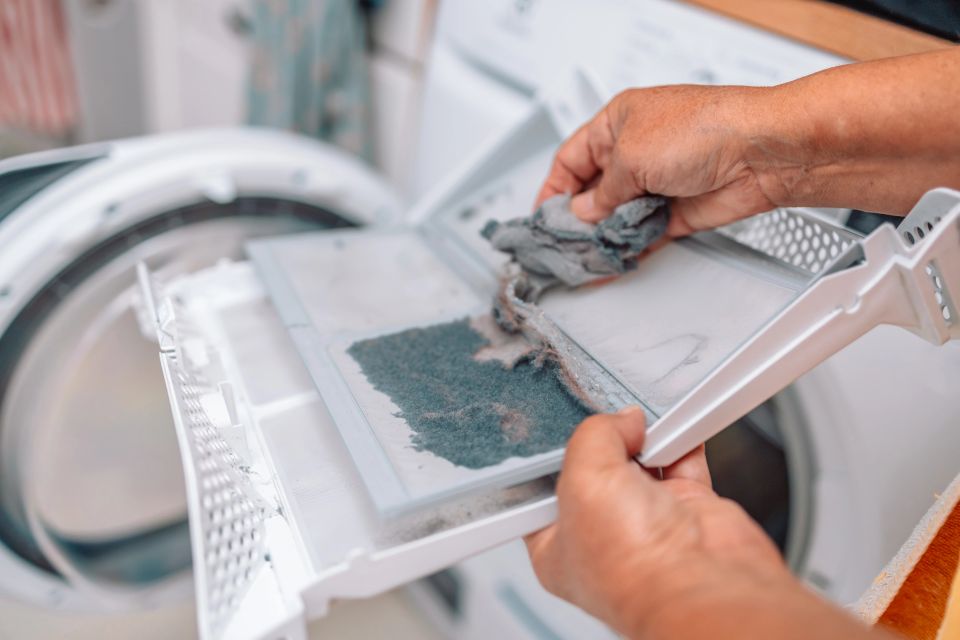
As a dryer vent cleaning professional, you provide an essential service that most homeowners don't even know they need, until it's too late. Your challenge isn't just finding customers; it's educating them on a hidden danger.
But before a client trusts you with their expensive custom rims or a high-volume batch of industrial parts, they go online to inspect your work. A professional website is your most important portfolio, the 24/7 showcase that proves the flawless quality of your finish.
Before a homeowner trusts you with that task, they go online to find a reliable expert who won’t damage their home. A professional web presence is your most important tool for proving your expertise and booking a full schedule of high-ticket jobs.
Trust is the most important commodity in the dry cleaning business. Your customers are handing you their most expensive and cherished garments, from tailored business suits to delicate wedding gowns, and they need to feel 100% confident in your care.
In the high-security environment of a correctional facility, providing adequate inmate mental health care is a massive operational and financial challenge.
Choosing a drug rehab center is a critical, trust-based decision for individuals and families in crisis. This blog post explores why a professional, compassionate website is essential for treatment centers to build that trust.
As a private chef, you do more than just cook; you create bespoke culinary experiences. You offer a level of personalization, luxury, and convenience that a restaurant simply cannot.